
.png)
Addressing the worsening instability in Sudan, with a special emphasis on the implications of the Fall of El Fasher
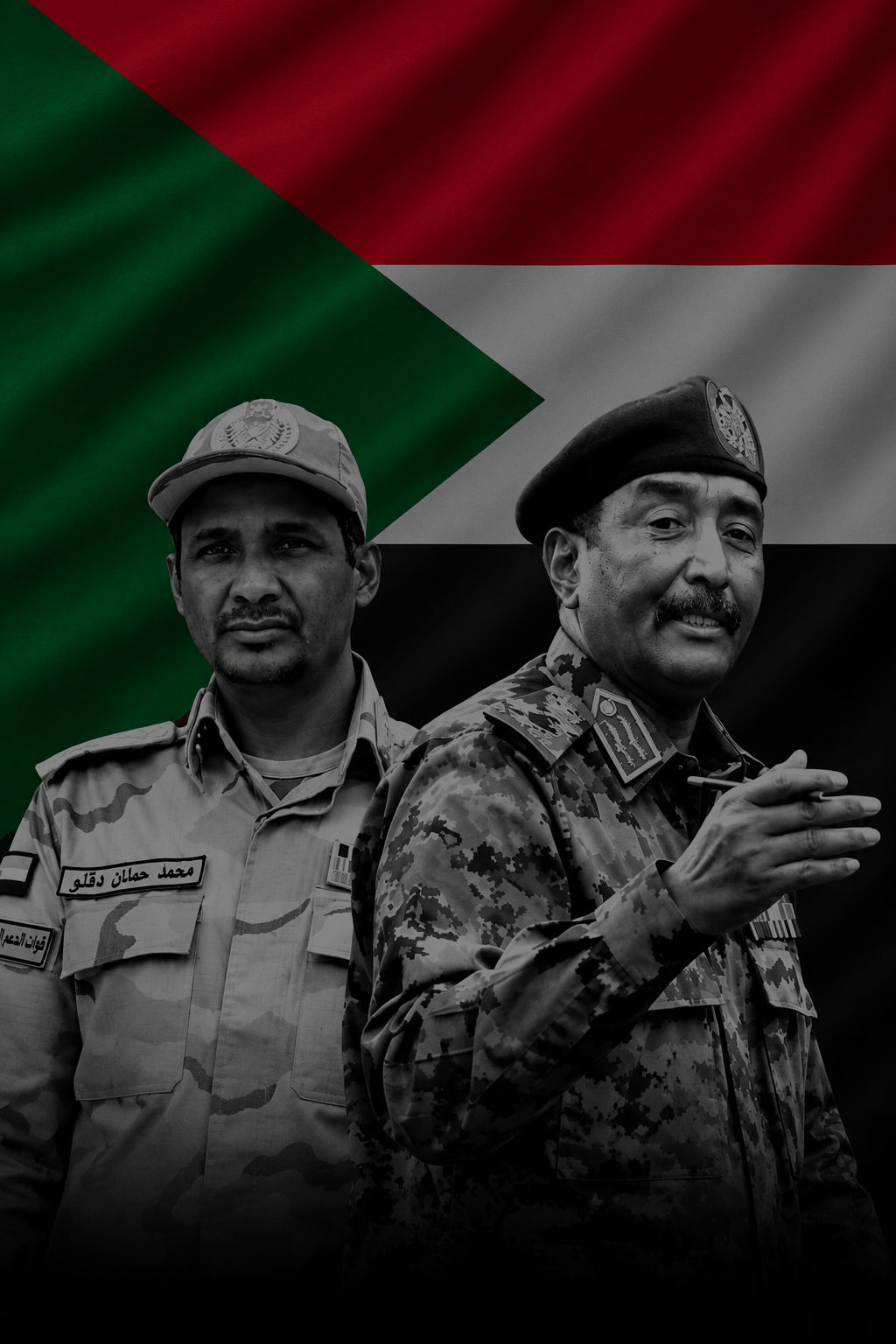
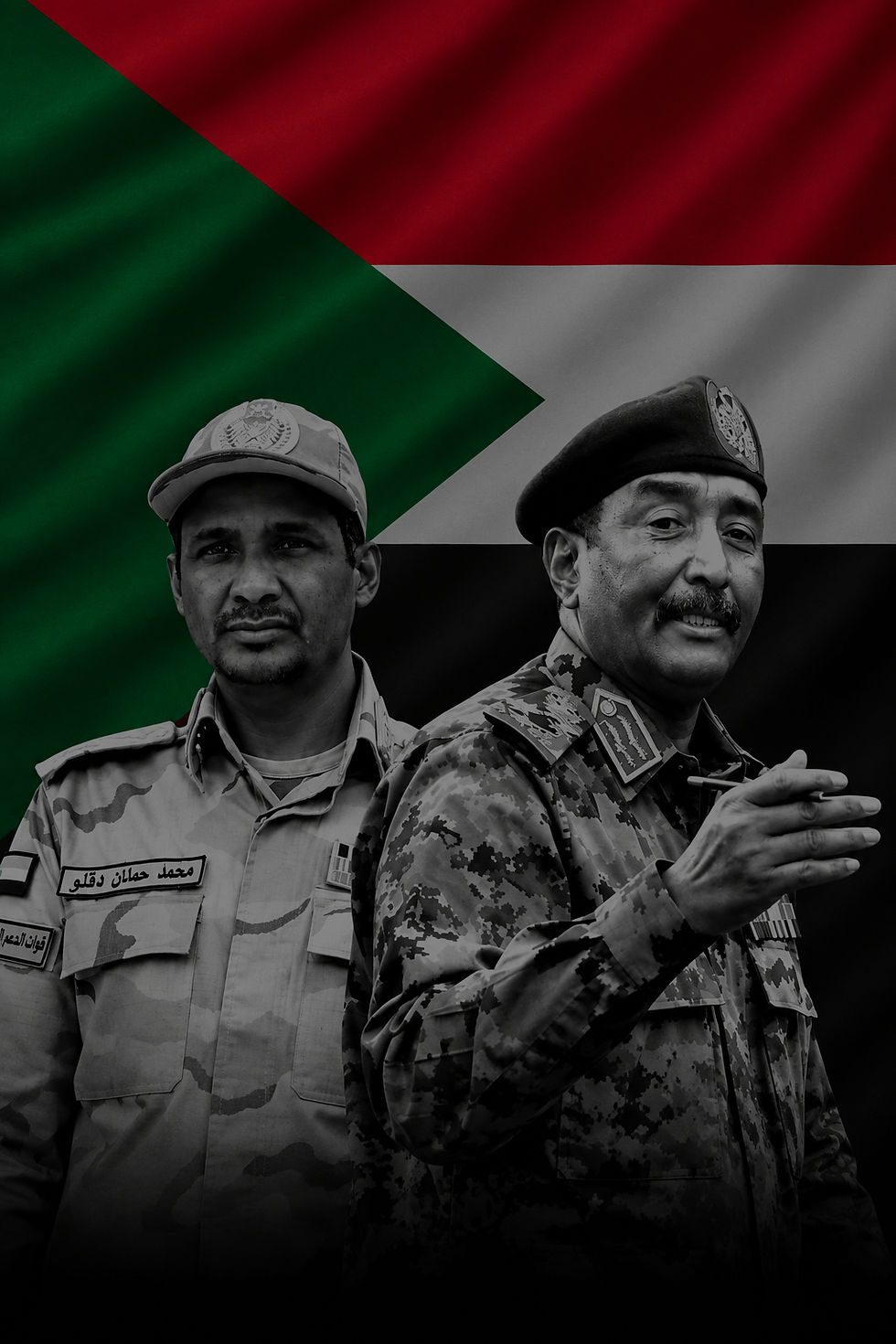
After the fall of Omar al-Bashir’s dictatorship in 2019, it fell upon the Sudanese Armed Forces and the Rapid Support Forces, militaries from Bashir’s time, to decide the future of Sudan. They initially showed promise in their negotiations for a national democratic government, but constant meddling, a thirst for power and subsequent disagreement over the timeline for re-integration of the RSF into the SAF sparked off a civil war in 2023 that has jeopardized the entire nation. The conflict has been marked by abhorrent instances of ethnic cleansing, mass genocide, and constant foreign meddling further worsening action on the ground. To date, more than 150,000 innocents have lost their lives, with many more being displaced from their homes. Various actors, including the United Nations itself, have tried to intervene to alleviate the situation. However, a lack of trust between the factions and the intense power tussle between the strongmen figures of Hemeti and Burhan have stalled negotiations. The war has become a catalyst to local militia and international mercenaries alike, whose involvement has scattered shrapnel on countless innocent citizens. Needless to say, the agenda UNSC aims to tackle is highly sensitive and volatile. All proposed solutions can not be broad and vague, they must be intentional, specific and have scope for proper implementation.
Medhansh Bais & Krishna Tharani
Co-Chairpersons, UNSC

We, Medhansh Bais and Krishna Tharani, are honoured to serve as your Co-Chairpersons for the United Nations Security Council at the Emerald Heights Intra-School Model United
Nations 2026. Our interests lie at the crossroads of music, art, sports and economics. We
firmly believe the solutions to systemic issues require far more than words; they require
deliberate thinking, extensive research and the courage to always maintain your views, a
philosophy we wish to be reflected throughout our discussions.
This year, the Security Council shall examine the worsening conflict in Sudan. Dating back to 2023, the civil war between the Sudanese Armed Forces and the Rapid Support Forces has created the world’s worst humanitarian crisis, with hundreds of thousands killed and many more displaced. The involvement of foreign mercenaries, nation-states, and other
forces has only muddied the waters, hampering progressive action due to possibility of retaliation and burying Sudan under increasing bureaucratic processes. As the sole committee with the power to pass legally binding resolutions, it falls upon the Security Council to restore order and stability in the ravaged nation. In such a hazy landscape, it is imperative for delegates to tread with caution. Keep in mind, this is a recurring issue which cannot be solved through conventional approaches. It is crucial to formulate nuanced solutions with proper research behind them.